3 Signs Your IT Job Posting Is Going Stale
Posted by EDI Staffing on September 10, 2026
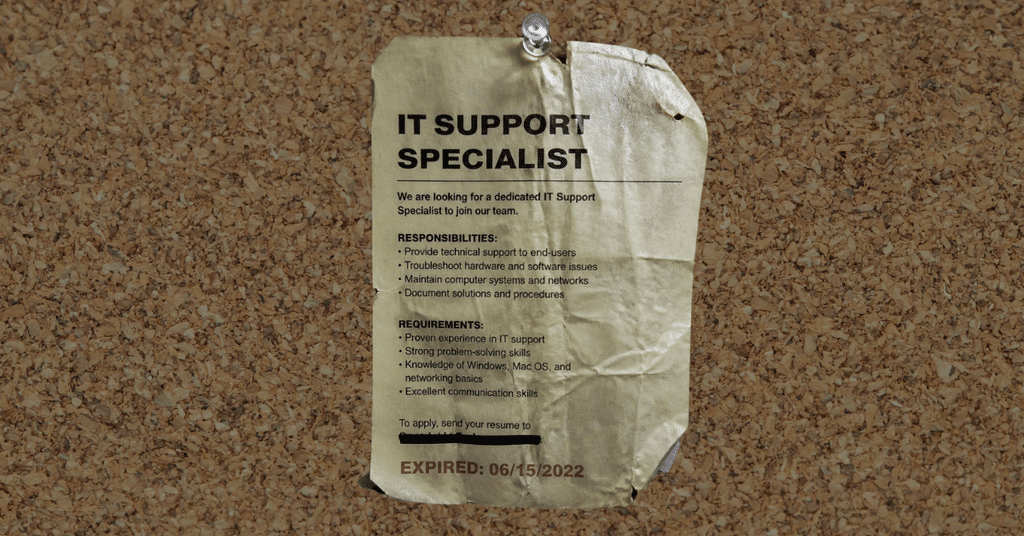
You posted the job. You shared it on LinkedIn. Maybe you even paid for it to get better reach…
But weeks later, you’re still looking.
A job posting can lose momentum over time, especially when you’re hiring for a specialized position. And the longer you search without finding the right person, the harder it can be to know whether you need to change the candidate, the posting, or the strategy behind it.
Here are 3 signs your job posting may be going stale:
1. You’re Getting Applicants, But Not Qualified Candidates
You’re getting resumes, but very few are people you’d actually move forward with.
If you’re looking for someone with specific SAP or ERP experience, but most applicants only have general IT experience, you’re technically getting applicants, but not the right kind.
What can you do?
Take another look at where you’re sourcing candidates and how you’re presenting the role. Is the posting reaching the right people? Is it clear about what the position actually requires? You may need to reach people who aren’t actively applying to jobs rather than relying solely on applicants coming to you.
2. You’re Starting to Lower the Requirements
At the beginning of the search, you knew exactly what you needed. Then the role sat open for a few weeks, and suddenly you’re asking whether you really need all those qualifications – sometimes you do, sometimes you can work without them.
But if those original quals are critical for the job, don’t settle for less just to get more applicants.
What initially looks like a search for an EDI specialist with integration experience can quickly turn into considering technical candidates who don’t have an EDI background – which we don’t recommend.
What can you do?
Go back to the original reason you’re hiring. In fact, having clear and accurate job descriptions was an important takeaway in our 2026 Talent Pulse Survey. Which skills are truly essential? Which are nice to have? Clarifying this can help you cast a more accurate net for the right candidates without feeling like you need to settle for the wrong ones.
3. Your Team Is Feeling the Vacancy
The work still has to get done. Maybe your IT team is taking on extra responsibilities. Maybe a project is moving slower than expected. In healthcare, for instance, an open IT position could mean important EHR, cybersecurity, data, or integration work is being pushed down the list. At this point, the open position isn’t just a hiring issue – it’s starting to affect other important areas of the business.
What can you do?
Don’t let the vacancy sit indefinitely. Revisit the search, adjust your approach, and consider bringing in outside recruiting support to help reach qualified candidates faster. This can be especially helpful for niche positions, where the pool of candidates with the specific technical experience you need is already limited.
A Stale Job Posting May Just Need a New Approach
If you’re getting the wrong applicants, lowering your requirements, or watching your team absorb the work, it may be time to stop simply waiting for the right person to apply. Sometimes, the best way to fill a difficult role is to go find the people you need.
Contact our team if you are looking to find contract or full-time staff.